Burgundy Wildflowers Embroidery Design Review
A First Look at Burgundy Wildflowers
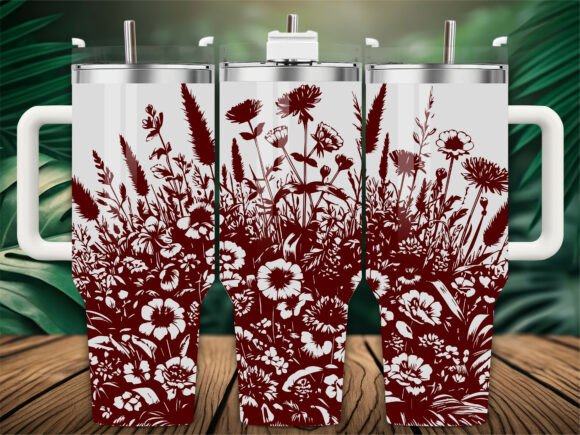
When I first opened the Burgundy Wildflowers embroidery design file, I was immediately drawn to its rich, earthy tones and the soft flow of the wildflower motif. The design feels like a warm embrace—cozy, inviting, and perfect for seasonal or nature-inspired projects. It carries a gentle, romantic mood that could easily fit into a variety of handmade items, from custom apparel to personalized gifts.
The layout is balanced and organic, with each petal and leaf flowing naturally into the next. It’s not overly detailed, which makes it versatile for different fabric types and hoop sizes. The level of detail is just right for both beginners and experienced stitchers who want something elegant but not overwhelming.
How Burgundy Wildflowers Performs in Real Projects
I tested Burgundy Wildflowers on a few different materials to see how it would translate into real-world embroidery projects. On a medium-weight cotton tote bag, the design stitched beautifully with minimal distortion. The thread colors stood out well against the fabric, and the stitching held up nicely after a few washes.
On a sweatshirt, the design looked even more vibrant. The soft texture of the knit fabric didn’t interfere with the embroidery, and the contrast between the burgundy flowers and the white background made the design pop. This makes it an excellent choice for sweatshirt embroidery, especially for custom apparel or handmade product lines.
For smaller items like embroidered patches or cap designs, I found that the design still maintained its charm. However, I did notice that the fine details, like the edges of the petals, required careful stitching and proper stabilizer use to avoid puckering.
This design also has potential for nursery decor or holiday embroidery. Its warm color palette fits well with fall or winter themes, making it ideal for creating cozy, personalized gifts or small shop products.
Where to Use Burgundy Wildflowers with Caution
While Burgundy Wildflowers is a great all-rounder, there are a few situations where you might need to be more careful. For instance, if you're working with thin fabric or stretchy materials, I recommend using a high-quality stabilizer to prevent shifting or distortion during stitching.
Also, if you plan to use this design on dark fabric, you may need to adjust the thread colors for better visibility. Testing the design on scrap fabric first can help you determine the best color combinations before committing to your final project.
Another thing to consider is the hoop size. While the design isn’t too large, it does require enough space to capture all the details properly. If you’re using a small hoop, make sure the key elements of the design will still be visible and recognizable.
Design Impact and Practical Considerations
One of the things I appreciate most about Burgundy Wildflowers is how it enhances the visual appeal of any product it's applied to. Whether it's a tote bag design, pillow cover, or kitchen towel, the design adds a touch of elegance without being too flashy. This makes it a great option for craft business owners looking to create commercial embroidery pieces that stand out.
From a customer perspective, the design feels professional and well-crafted. It adds value to any personalized gift or handmade product, which can increase buyer engagement and build trust in your brand. This is especially important for Etsy sellers or small shop product creators who rely on high-quality design assets to attract buyers.
If you're planning to sell finished items or digital versions of this design, I encourage you to check the licensing terms carefully. Always confirm whether the design is suitable for both personal and commercial embroidery use before listing it for sale.
Embroidery Designer Notes
Before diving into a full project with Burgundy Wildflowers, I recommend testing the design on scrap fabric first. This allows you to experiment with thread colors, stabilizer types, and stitch density to ensure the best results.
Reviewing the embroidery file closely is also important. Make sure the design doesn’t have any hidden issues, like overlapping stitches or areas that might cause tension problems. If possible, test it in black and white mockups to see how the contrast looks on different backgrounds.
Lastly, always compare how the design appears on both light and dark fabrics. This will help you understand how it can be adapted for various design assets and printable mockups in your craft business or digital product offerings.
Burgundy Wildflowers is a solid addition to any designer’s toolkit. With thoughtful application and attention to detail, it can elevate your embroidery project and bring a unique, handcrafted feel to your finished product.